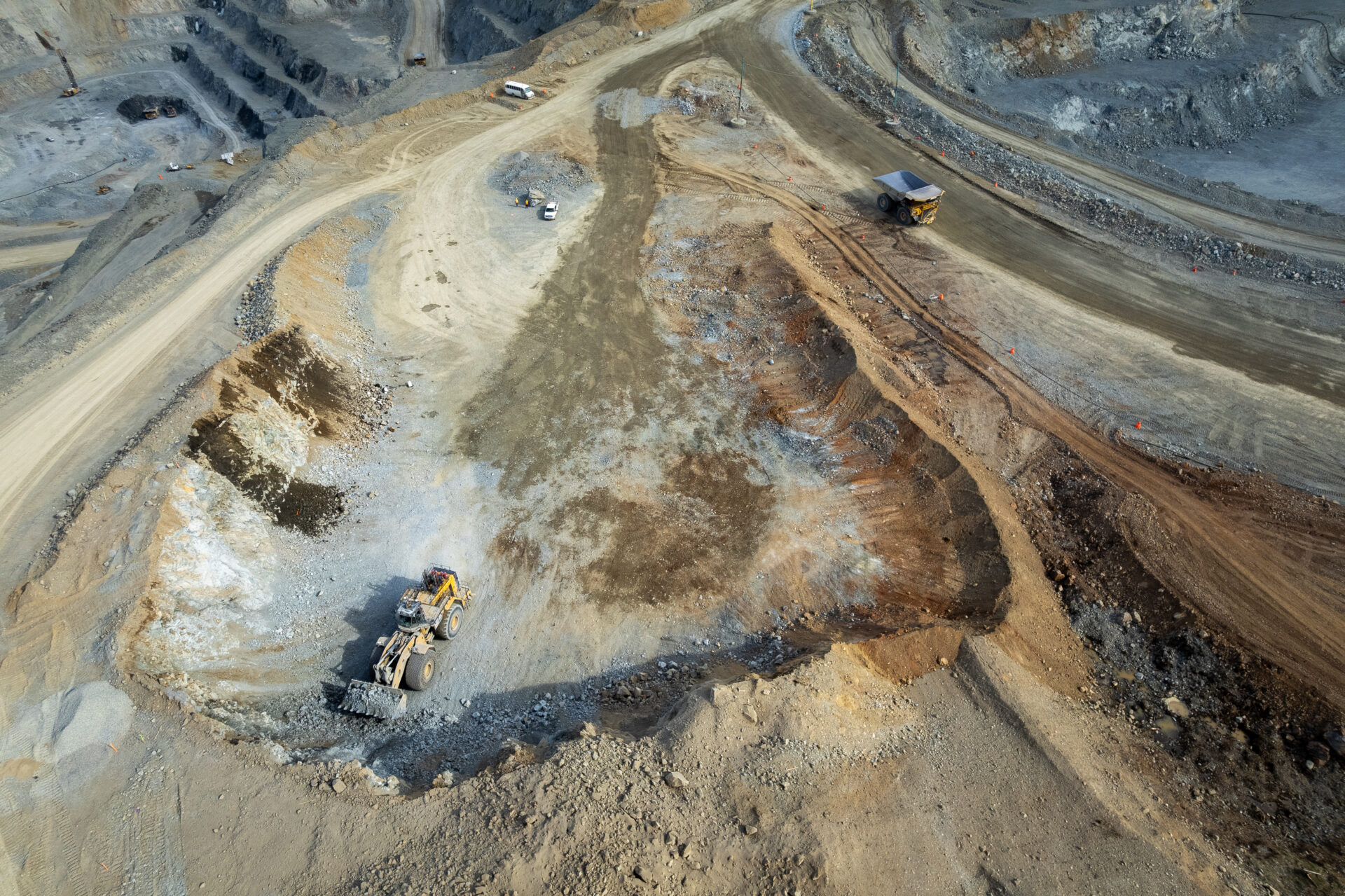
BC’s minerals are in everything that matters.
From the wiring in electric vehicles to the steel in wind turbines — the minerals British Columbia produces are essential to the modern world. Here’s what we mine, and why it counts.
What We Mine in BC
The minerals we produce. The products they make possible.
BC is one of Canada’s most mineral-rich provinces. Each of these resources plays a specific role — in your everyday life and in the global economy.
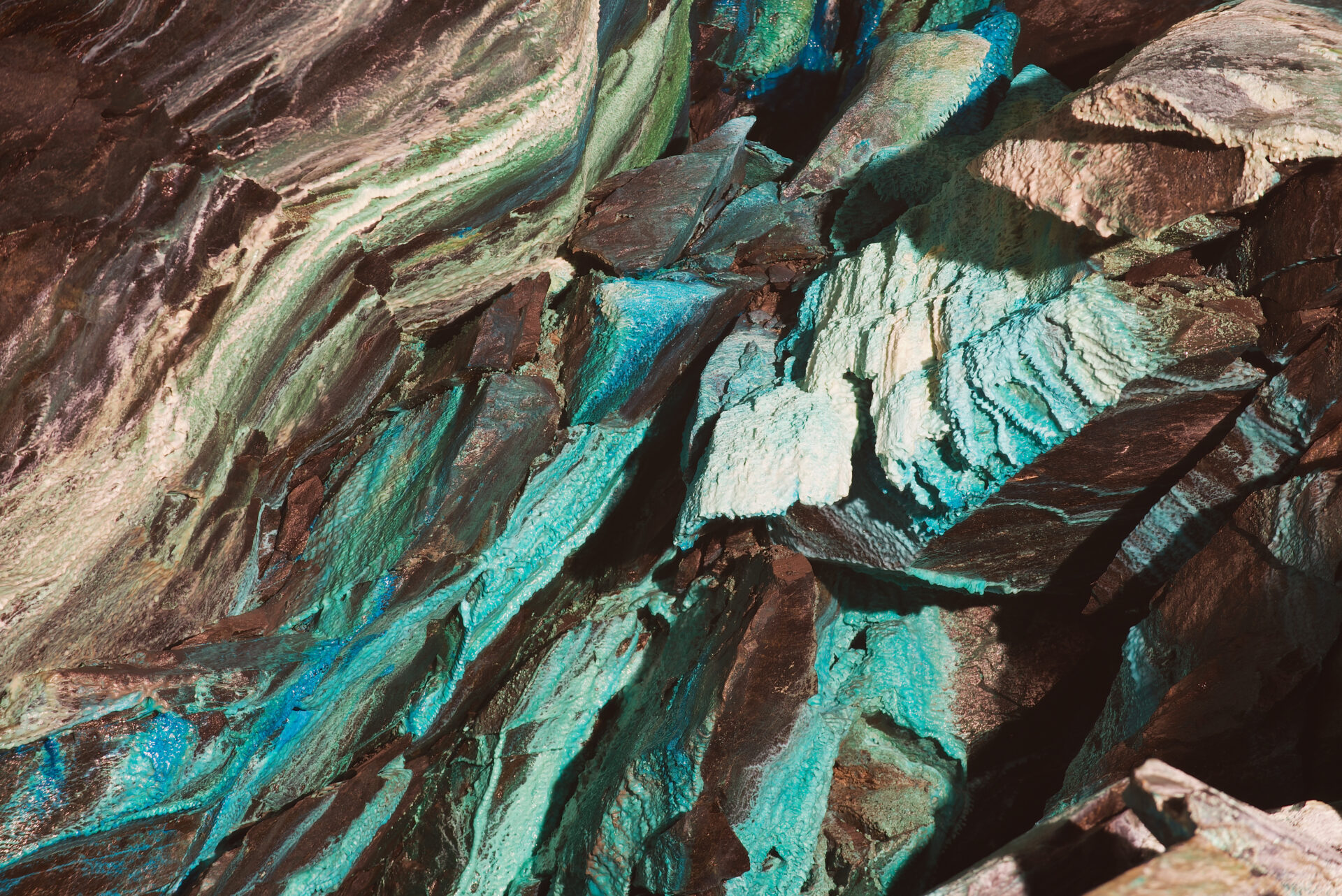
Canada’s largest copper producer. Copper conducts electricity better than almost any other material, making it essential to electric vehicles, power grids, wiring, and virtually every piece of clean energy technology. More electrification means more copper — and BC has a lot of it.
Not all coal is the same. Steelmaking coal — also called metallurgical coal — isn’t burned for power. It’s used to make steel, which goes into wind turbines, bridges, pipelines, and buildings. BC is Canada’s top producer.
A stable store of value and a functional industrial metal. Gold is used in electronics, aerospace components, and medical devices. BC has several major gold projects in active development.
BC is Canada’s second-largest silver producer. Silver is a key component in solar panels, making it one of the most in-demand minerals in the clean energy transition.
The minerals inside your battery. Nickel and cobalt are critical to the lithium-ion batteries that power electric vehicles and grid storage systems. BC hosts two of the world’s largest undeveloped nickel deposits.
Added to steel to make it stronger and more heat-resistant. Molybdenum is used in pipelines, aircraft parts, and industrial machinery. BC has several significant molybdenum projects in development.
Zinc is most commonly used to coat steel and prevent it from rusting — a process called galvanizing. It’s also used in construction materials, batteries, and medical applications.
BC hosts the world’s largest unmined niobium deposit. Niobium strengthens steel alloys used in aerospace, automotive, and pipeline construction — often reducing the amount of steel needed, which cuts emissions.
A group of minerals essential to the magnets used in EV motors, wind turbines, and defence electronics. BC’s Wicheeda project is among the most advanced rare earth deposits in Canada.
Mining in BC, by the numbers.
The numbers behind BC’s operating mines, their workforce, and their impact across the province.
$18B
The estimated annual economic impact of BC’s mining sector — accounting for 28% of the province’s total exports.
35,000+ Jobs
Mining and smelting in BC supports more than 35,000 workers, with an average annual salary of nearly $139,000.
$98M
Paid directly to 46 First Nations through BC’s mineral tax revenue sharing program — a policy that started in BC.
$3.7B
Reclamation security held by the B.C. government to ensure mine cleanup and closure.
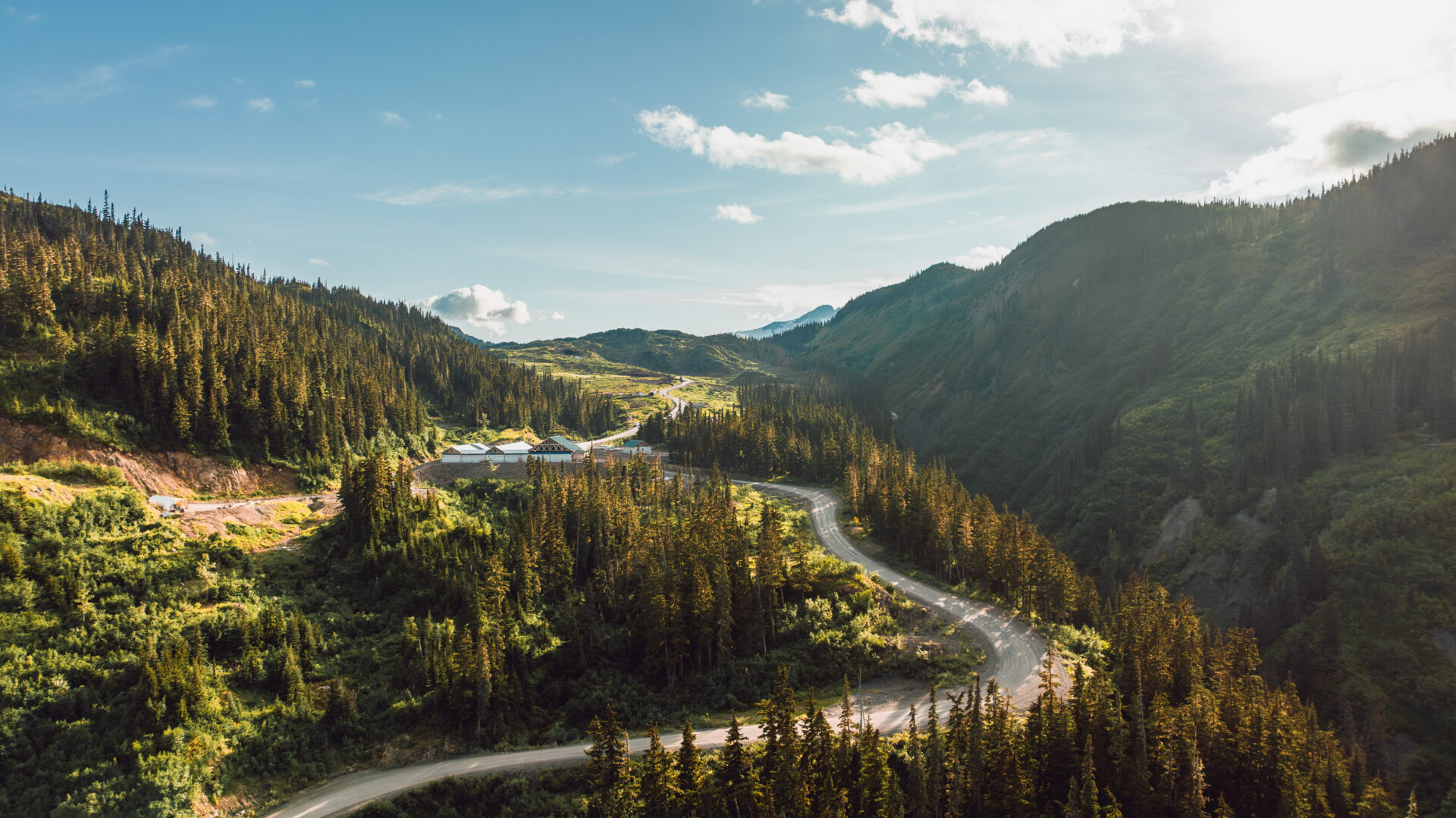
See where BC’s mines operate.
BC currently has 17 operating mines and two smelters, with dozens of advanced development projects across the province. Use the interactive map to explore active mines by region and commodity.
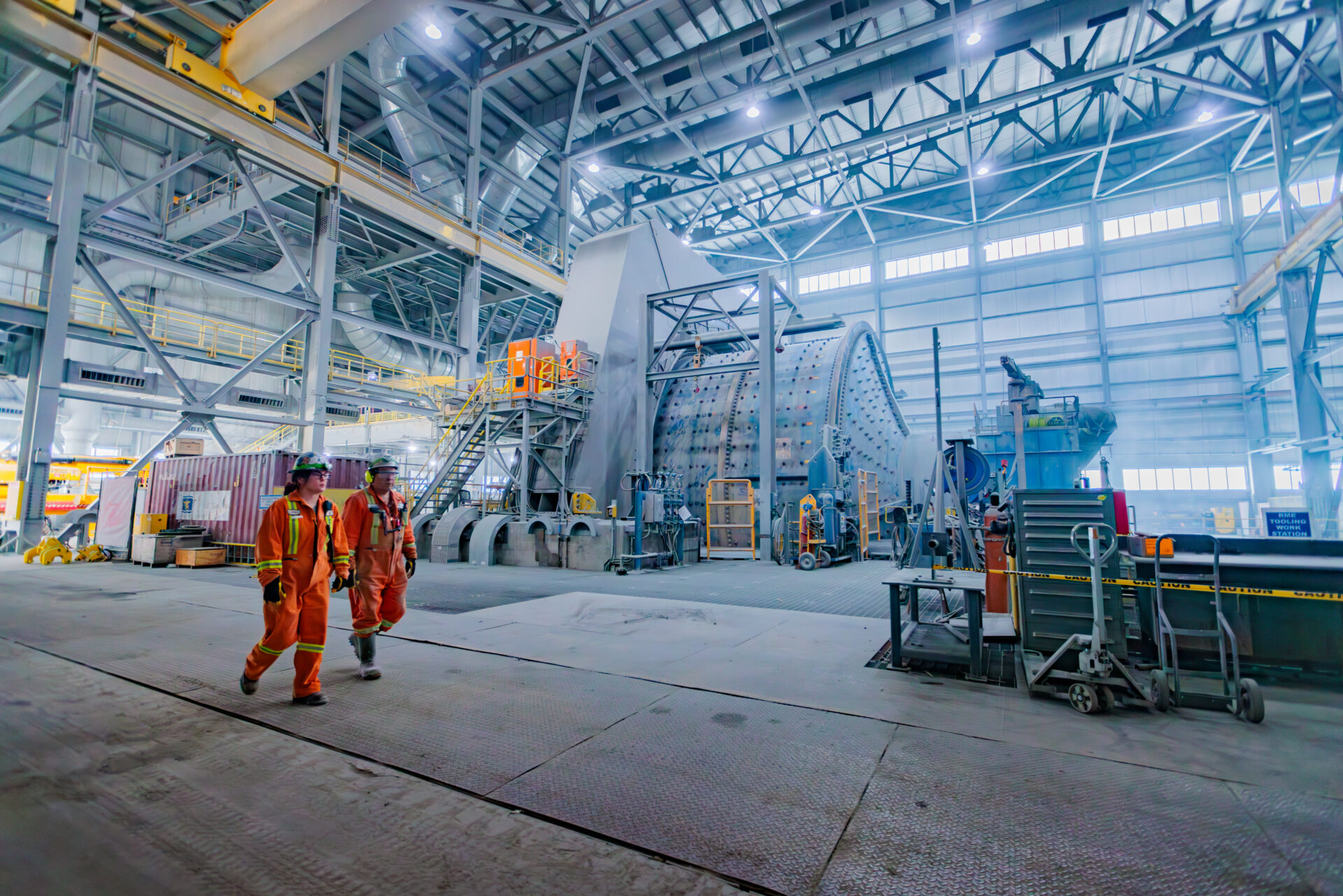
Stay Informed
Mining affects more of BC than most people realize
Sign up for updates on the issues, reports, and decisions that shape the industry.