Transboundary Mining
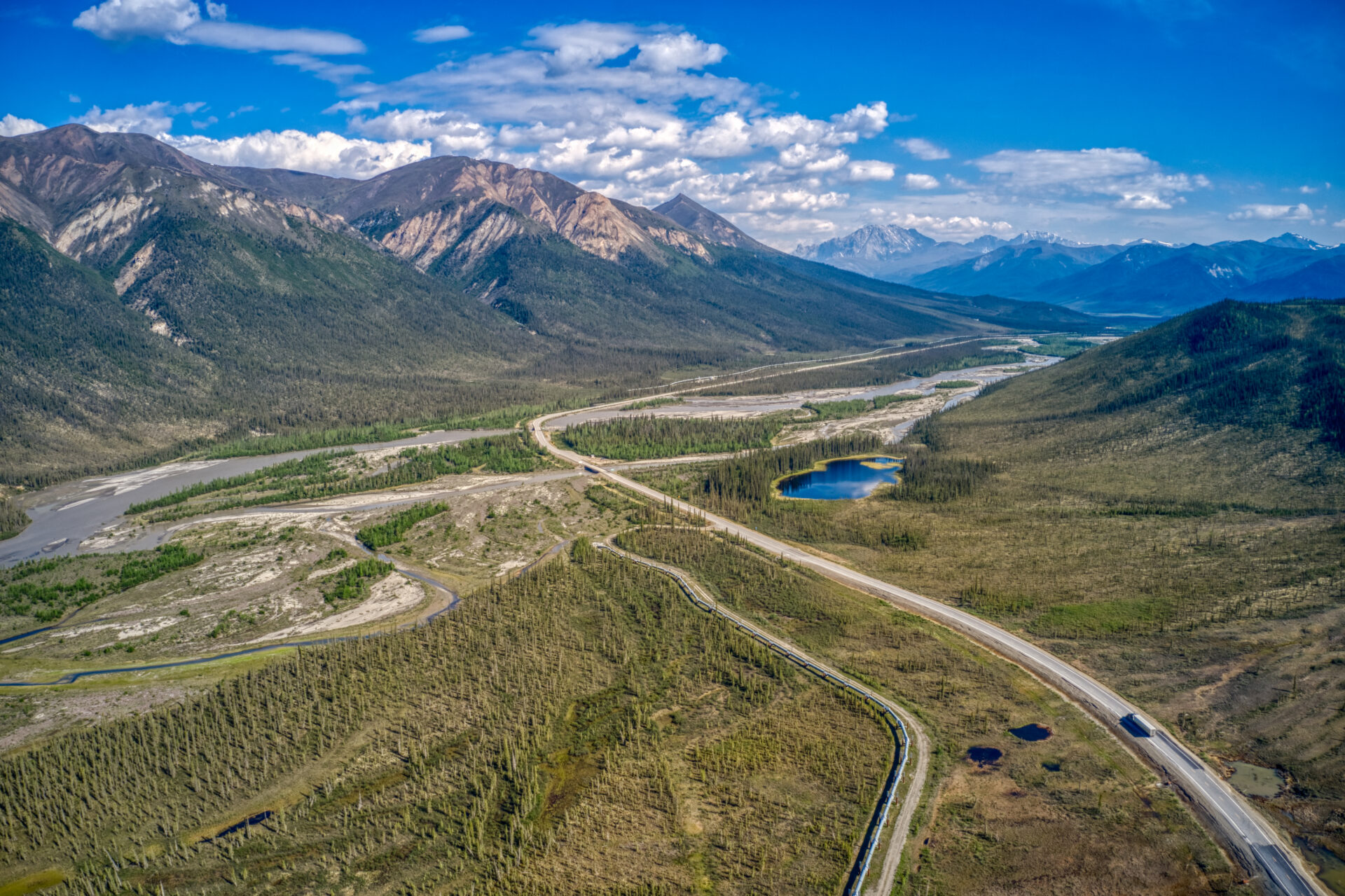
Some of BC’s most significant mineral deposits sit in watersheds that cross the BC-Alaska border. This page covers how BC’s industry operates in that region — from water monitoring and regulation to Indigenous partnerships.
The rivers that flow from northern BC into Alaska don’t follow provincial boundaries, and neither does the responsibility for protecting them. BC’s mining industry operates here under formal agreements, joint oversight, and a consistent track record of verified results.
- Protecting our Shared Watersheds
- Working with Alaskans
- Responsible Mining Regulations in BC
- Mine Closure and Reclamation
- Stronger Regulations for Tailings Storage Facilities
- Working with First Nations Communities
Shared Oversight
Protecting our Shared Watersheds
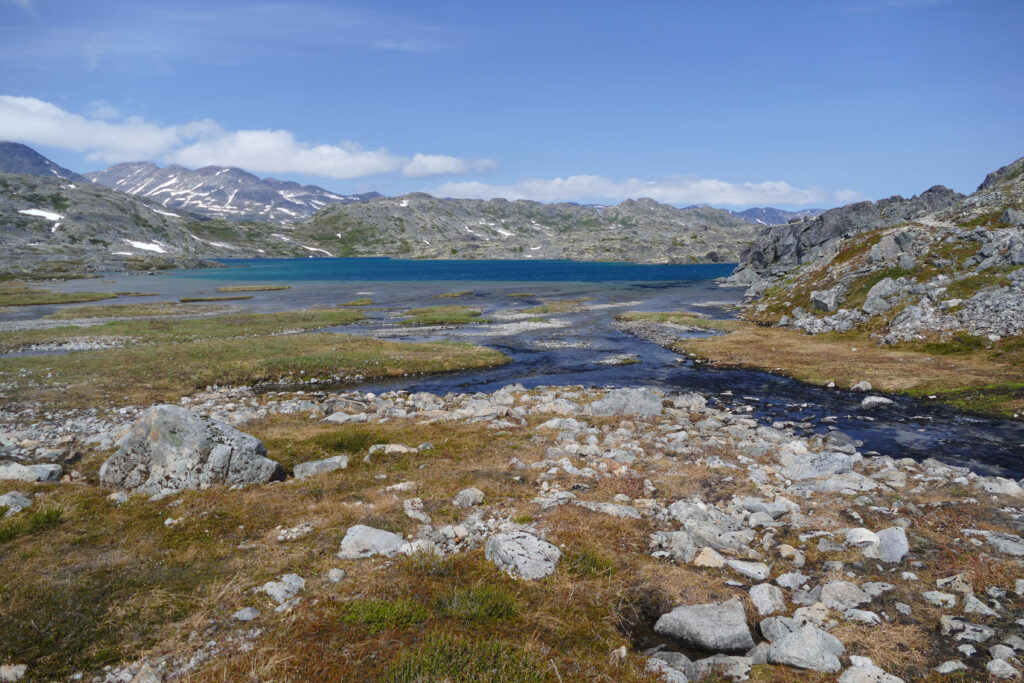
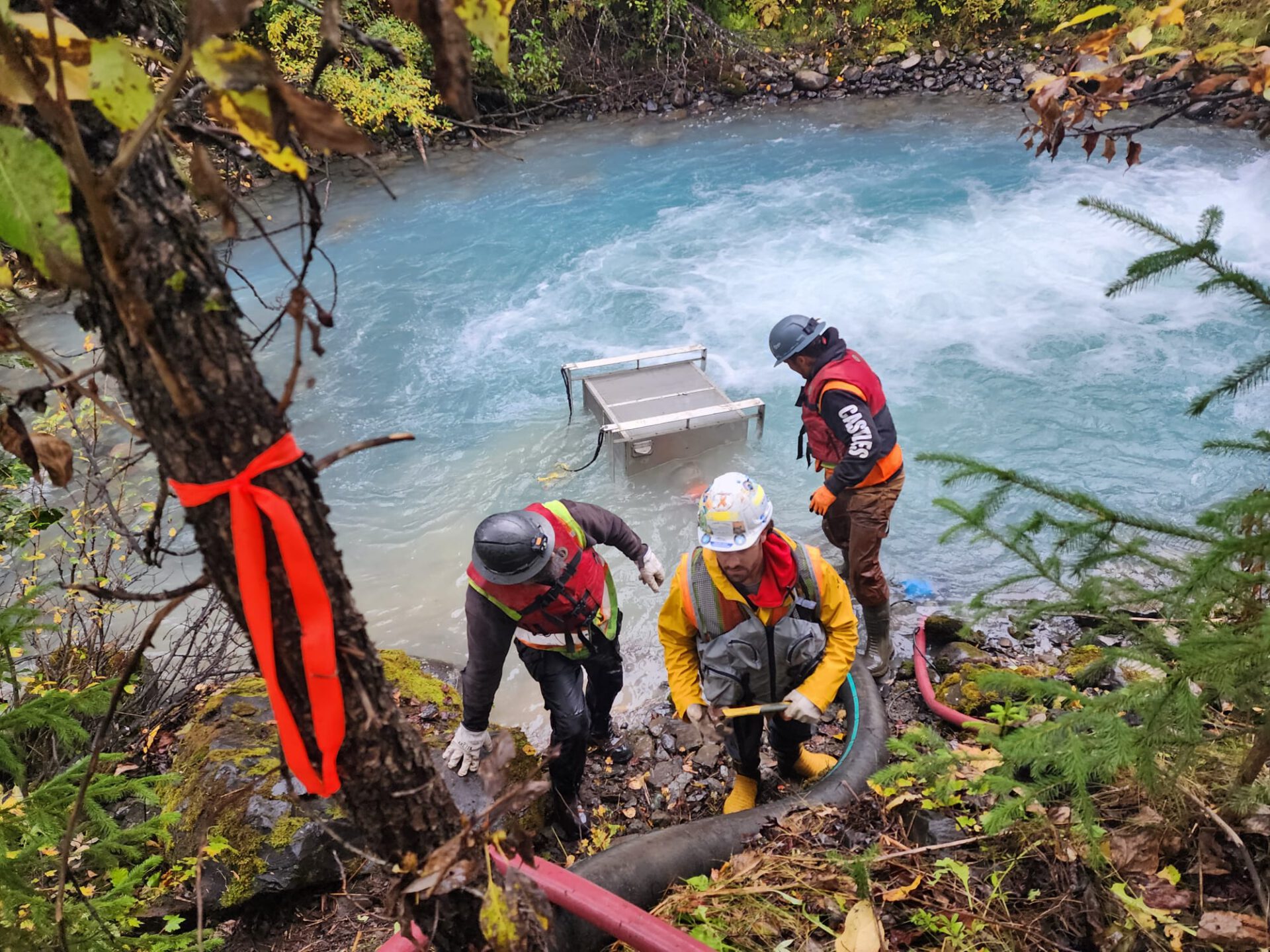
BC and Alaska have a formal agreement to protect the rivers, fisheries, and watersheds they share. A joint Technical Working Group monitors water quality in the Taku, Stikine, and Unuk river systems, and water samples downstream of the BC-Alaska border have consistently met Alaska’s water quality standards.
Stakeholder Engagement
Working with Alaskans
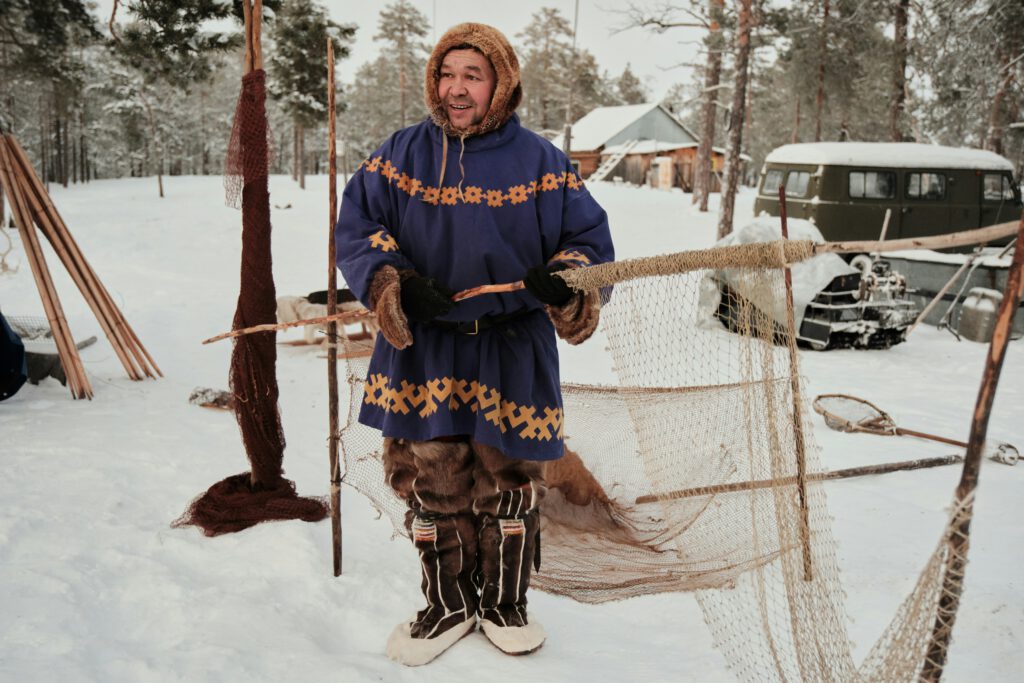
BC’s Environmental Assessment Office leads consultation with Alaskan tribes and US agencies for any mining project in the transboundary region. That input shapes how projects are designed before permits are issued. At the KSM project, direct engagement with Alaskan stakeholders led to substantive changes in the project’s water management approach.
Regulatory Framework
Responsible Mining Regulations in BC
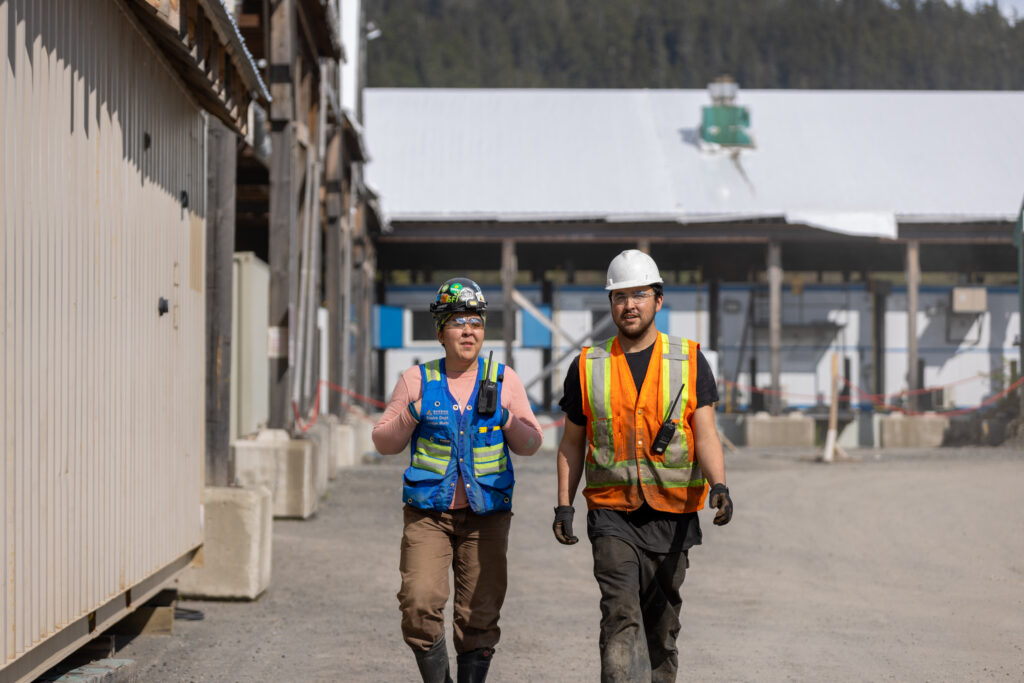
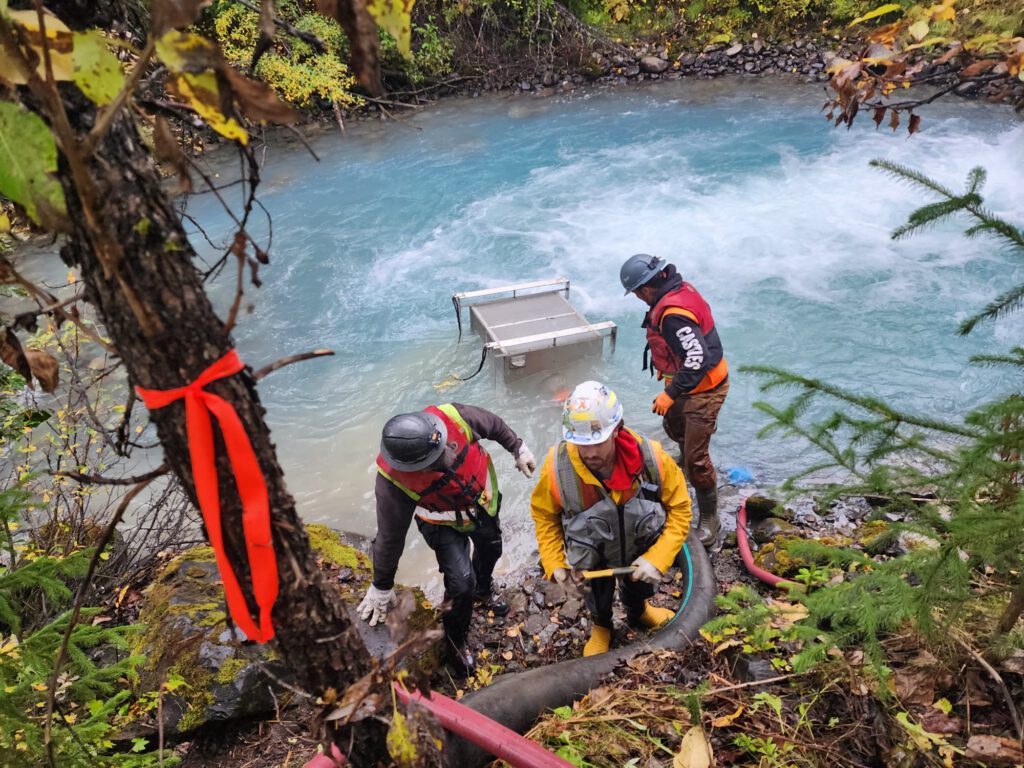
BC mines here operate under regulations that have been significantly strengthened over the past decade — including a new Mines Act, revised reclamation and safety codes, a new Mines Investigations Unit, and updated water quality guidelines. BC’s standards now rank among the most rigorous in the world for assessment, permitting, enforcement, and post-closure monitoring.
Financial Responsibility
Mine Closure and Reclamation
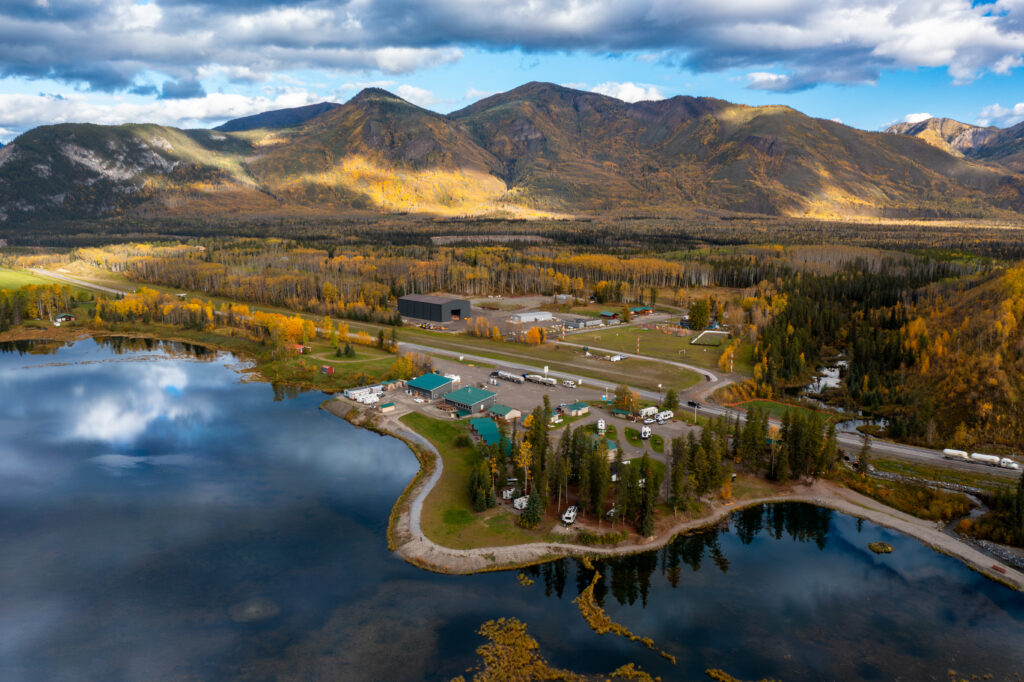
BC requires mining companies to post bonds large enough to cover full site reclamation. Since 2015, that security has grown by more than $2.7 billion to over $3.7 billion total. The cost of closure does not fall to the public. Seabridge Gold’s ongoing voluntary remediation of the former Johnny Mountain Mine — in partnership with the Tahltan Nation — is one example of what that commitment looks like in practice.
Safety Standards
Stronger Regulations for Tailings Storage Facilities
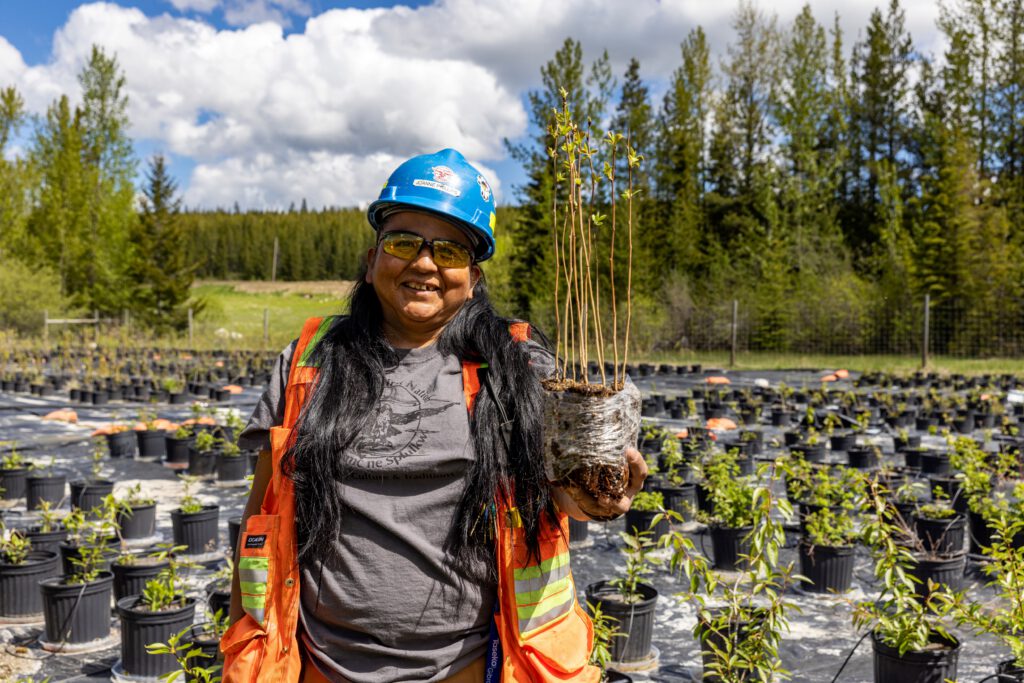
Following the 2014 Mount Polley incident, BC overhauled its rules for tailings storage facilities, introducing design standards based on best available technology and mandatory independent review boards. In 2021, the province’s Chief Auditor of Mines found BC’s framework to be among the best in the world, with a high level of industry compliance.
First Nations Partnerships
Working with First Nations Communities
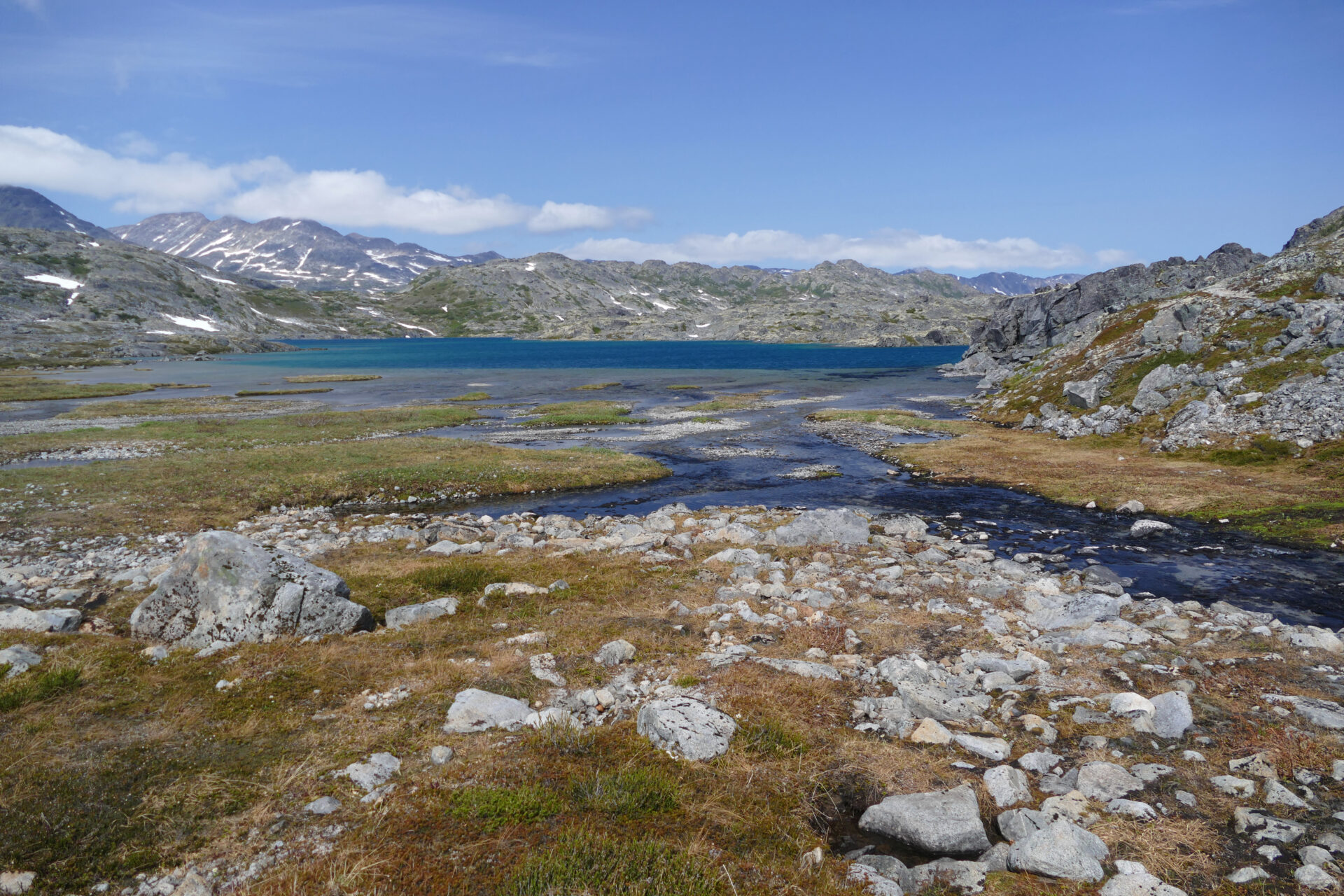
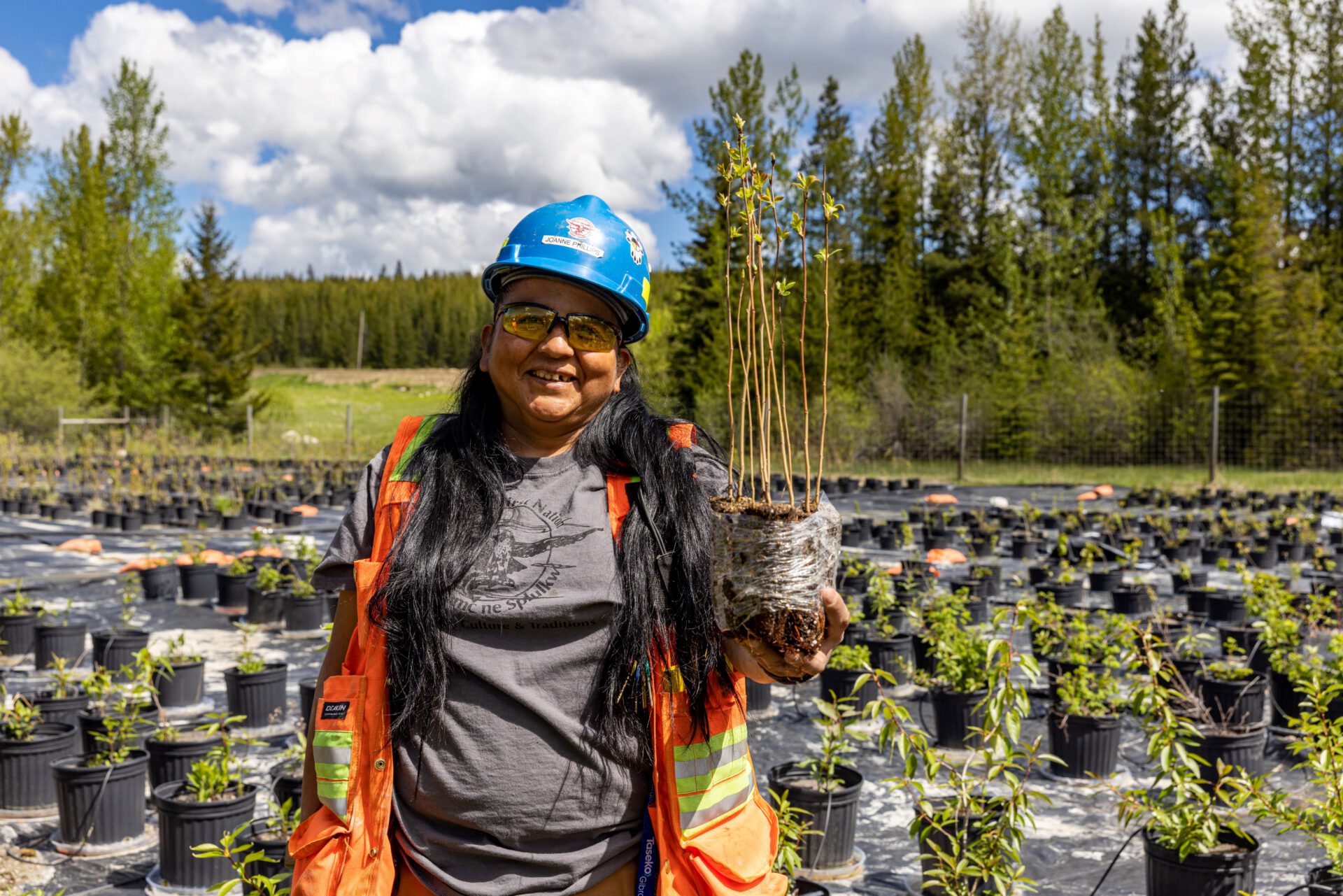
Mining in the transboundary region requires active partnership with First Nations. BC was the first province in Canada to implement UNDRIP, and the Tahltan Central Government has since entered into consent-based decision-making agreements governing environmental assessments in Tahltan territory. Impact and Benefit Agreements and equity partnerships — including the Treaty Creek Limited Partnership at the KSM project — are standard practice.
Supporting Information
Reference documents and official agreements
The accordion collects the source documents and official agreements referenced on this page.