Environmental Protection
BC’s mining laws are among the most rigorous in the world, and our members operate accordingly. This page covers the regulations, the results, and the technology driving continued improvement.
BC mines produce some of the lowest-emission metals on the planet. They’re also subject to independent audits, mandatory reclamation bonds, and environmental standards that an independent provincial auditor has ranked among the best in the world. That standing wasn’t declared — it was verified.
Innovation in Practice
How BC mines are reducing their footprint
BC’s mining sector benefits from one of the cleanest electrical grids in North America, which gives operations here a structural advantage. Members are building on that with investments in electrification, automation, and emissions-reduction technology that are being deployed at scale — not in pilot phases.
The electrification of haul trucks and heavy equipment is one of the most direct ways to cut emissions at a mine site. Copper Mountain mine near Princeton has installed a 1-kilometre overhead trolley track that allows 11 haul trucks to run on BC Hydro electricity, reducing approximately 55,000 tonnes of GHG emissions per year.
Several BC mines are early adopters of artificial intelligence and predictive analytics. At Highland Valley Copper, machine learning models analyze real-time data from flotation processes to improve copper recovery. Teck’s RACE21 program has applied automation and AI across its operations to increase productivity and optimize material quality. At Elk Valley Resources’ Fording River operation, machine learning tracks truck speed and location in real time to flag road maintenance needs and improve haul truck performance.
Tailings storage remains one of the most closely watched aspects of mine operations. Following the Mount Polley incident, BC introduced significant regulatory reforms — including requirements for Engineers of Record, Independent Tailings Review Boards, and design standards based on best available technology. In 2021, BC’s independent Chief Mines Auditor reviewed tailings management regulations across major global mining jurisdictions and found BC’s framework to be among the best in the world.
BC’s reclamation security policy requires major mines to hold financial bonds that cover the full cost of site restoration. Since 2015, the total reclamation security held by the provincial government has increased by over $2.7 billion, bringing the total to more than $3.7 billion. This ensures mine closure costs are covered without burdening taxpayers. Proactive reclamation — restoring land while mining is still underway — is also encouraged under current policy.
Leaders in Low-Emission Mining
Starting from a lower baseline
BC mines benefit from BC Hydro’s hydroelectric grid, which means electricity-intensive processes like milling and crushing carry a fraction of the carbon footprint they would in coal-powered jurisdictions. Members are investing further in electrification and efficiency, with several operations targeting net zero by 2050 or sooner.
Shared Watersheds
Mining in the Transboundary Region
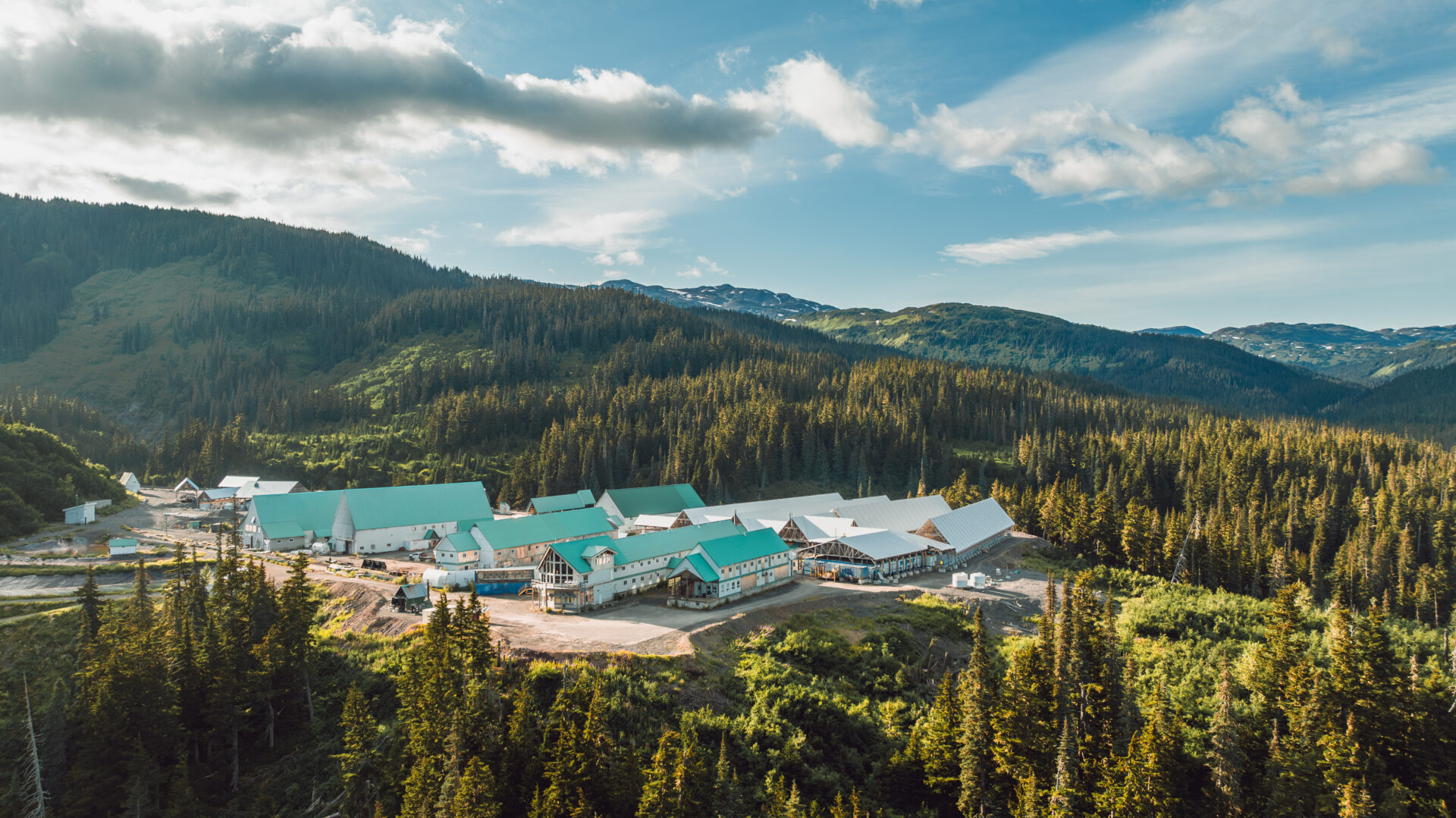
BC’s mining operations sit within watersheds that cross the BC-Alaska border. Independent water quality monitoring, joint governance agreements with Alaska, and ongoing engagement with Alaskan communities and tribes are central to how the industry operates in this region.
Stay Informed
Mining affects more of BC than most people realize
Sign up for updates on the issues, reports, and decisions that shape the industry.